
From Paneling to Sold: A 1940 Rehab, Draw by Draw
A real Indiana rehab: 11 days from term sheet to close, four draws, a rebuilt foundation wall, and a $280K sale. Here is how the money moved.
A real rehab in Mishawaka, Indiana: 11 days from term sheet to close, four draws, a rebuilt foundation wall, and a $280K sale. Here is how the money moved.
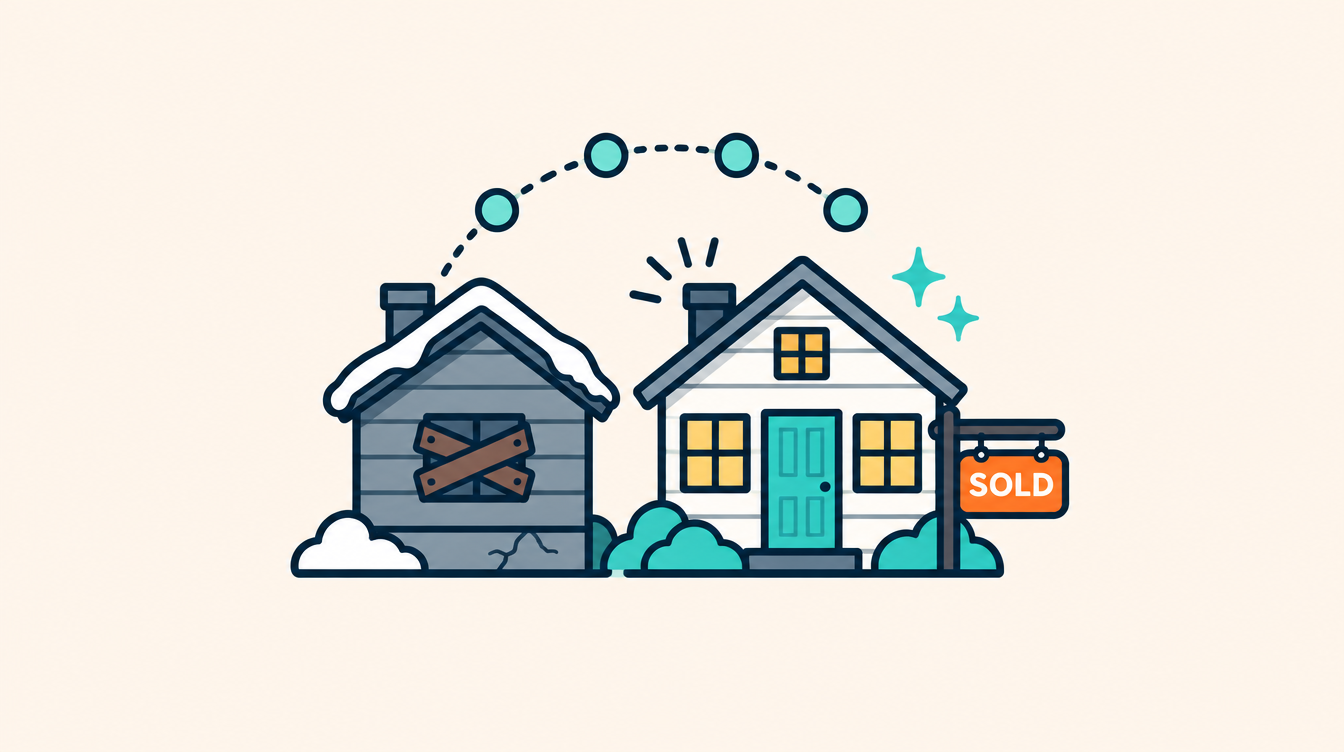
The house was built in 1940. In January it sat under snow, wrapped in wood paneling, with a north basement wall that was starting to give.
A failing wall scares a lot of buyers off. The investor who bought it saw a four bedroom house that needed a second full bath, a finished basement, and a foundation fix with a contractor already lined up.
What made the deal work was timing. The capital had to show up at closing, and then again every time the crew finished a stage. This is how that played out, start to finish.
The Deal at a Glance
Closing: 11 Days From Term Sheet to Funded
The term sheet was signed on January 5. The loan closed on January 16.
Eleven days is quick for any purchase, and it mattered here. A house with a known foundation issue does not stay on the market long with a buyer who can close; it either sells to the person who moves first or sits until the price drops for someone else. The investor moved first.
How the loan was built
The structure was a standard fix and flip loan from Upright:
- 90% of the purchase price was funded at closing as the Initial Advance.
- 100% of the rehab budget was financed, released in draws as the work was done.
That put the total loan at $175,700 against a $191,000 cost basis, about 92% LTC. The investor brought a small slice of the purchase and closing costs to the table and kept the rest of their cash free for the next deal.
The Build: Four Draws in About 105 Days
The scope came down to three big moves.
1. Rebuild the failing foundation wall
The north basement wall came first. Everything else in the house depended on it, so the crew opened the basement, rebuilt the wall, and only then moved upstairs.
2. Gut the paneling and finish the basement
Every main room was wood paneling over tired carpet. It came down to the studs, then back up as drywall, light floors and new lighting. The rebuilt basement became finished living space.
3. Add a second full bath
A 1.5 bath house became a 2 bath house. In this price range, that second full bath is one of the changes buyers notice first.
The draw timeline
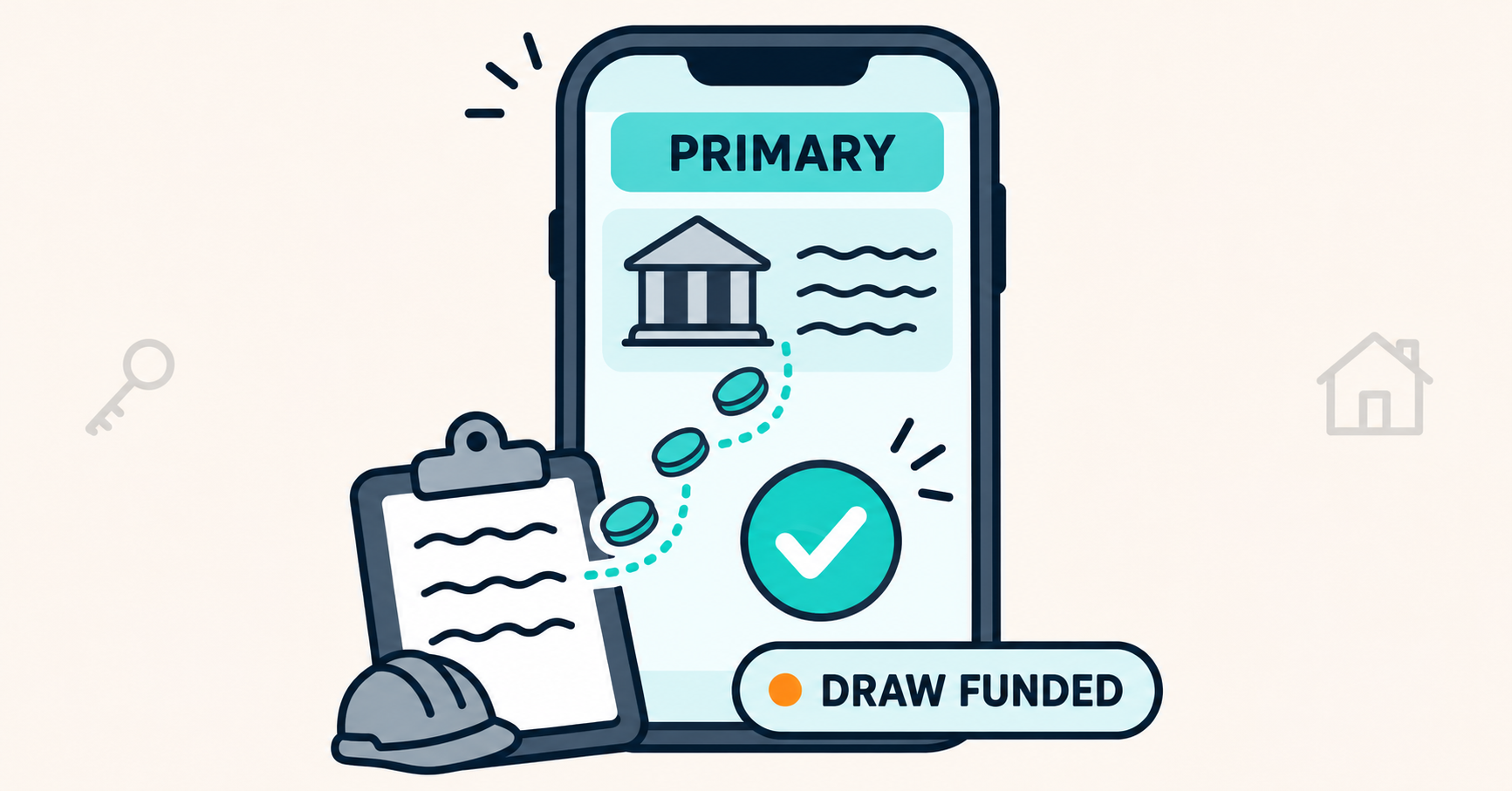
The rehab dollars were released in four draws, each one tied to verified progress on the Draw Schedule:
Snow on the roof in January, rehab finished on May 1. About 105 days from closing to the final draw.
Notice the shape of it. Three draws of roughly $20,000 each carried the heavy work, then a small final draw closed out the punch list. The crew never waited on money to start the next stage, and the investor never had to float the rehab from their own account.
The Result: Sold for $280,000
The finished house sold for $280,000.
Why the interest stayed low
Interest on this loan was charged on the money actually drawn, not on the full loan from day one. The rehab dollars only started costing anything once they were released, which is part of why the margin held up on a house that needed real structural work.
What This Deal Shows
Plan the hard part first
The foundation wall was the scariest item in the scope, and it was handled first. A budget that puts the structural work up front gets the risk out early, and every draw after that funds visible, sellable progress. If you are building your next budget, the pre-close checklist walks through what to have ready before closing.
Buy in winter, sell in spring
This house closed in the middle of January and was finished by May 1. Winter purchases often face less competition, and a spring finish puts the house on the market when buyers are out looking.
Let the draws match the work
Four draws, each one tied to a finished stage, kept the crew moving and the investor's cash in their pocket. The draw schedule is part of the plan, not paperwork after it.
The Bottom Line
A 1940 house with a failing wall became a 4 bed, 2 bath home with a finished basement, and it sold for $280,000. The investor closed in 11 days, financed 90% of the purchase and 100% of the rehab, and got paid four times as the work came together. That is what Upright does: capital at closing, capital at every stage, and a dedicated branch watching the file from the first call to the payoff. More finished projects are on our funded projects page.
Call (216) 206-6079 or start your application at uprightlending.com.
Got a house everyone else is walking away from? Start your application and your branch will run the numbers with you.
Ready to fund your next deal?
Partner with a lender who understands your investment strategy.
Subscribe to Our Blog
Get the latest insights, market trends, and investment strategies delivered to your inbox.